

PHYSICAL THERAPY MATTERS
PHYSICAL THERAPY MATTERS
This is my corner of the world to discuss all things sports performance physical therapy. You can read up on my take on injury prevention, strength and conditioning, sports performance and rehabilitation.
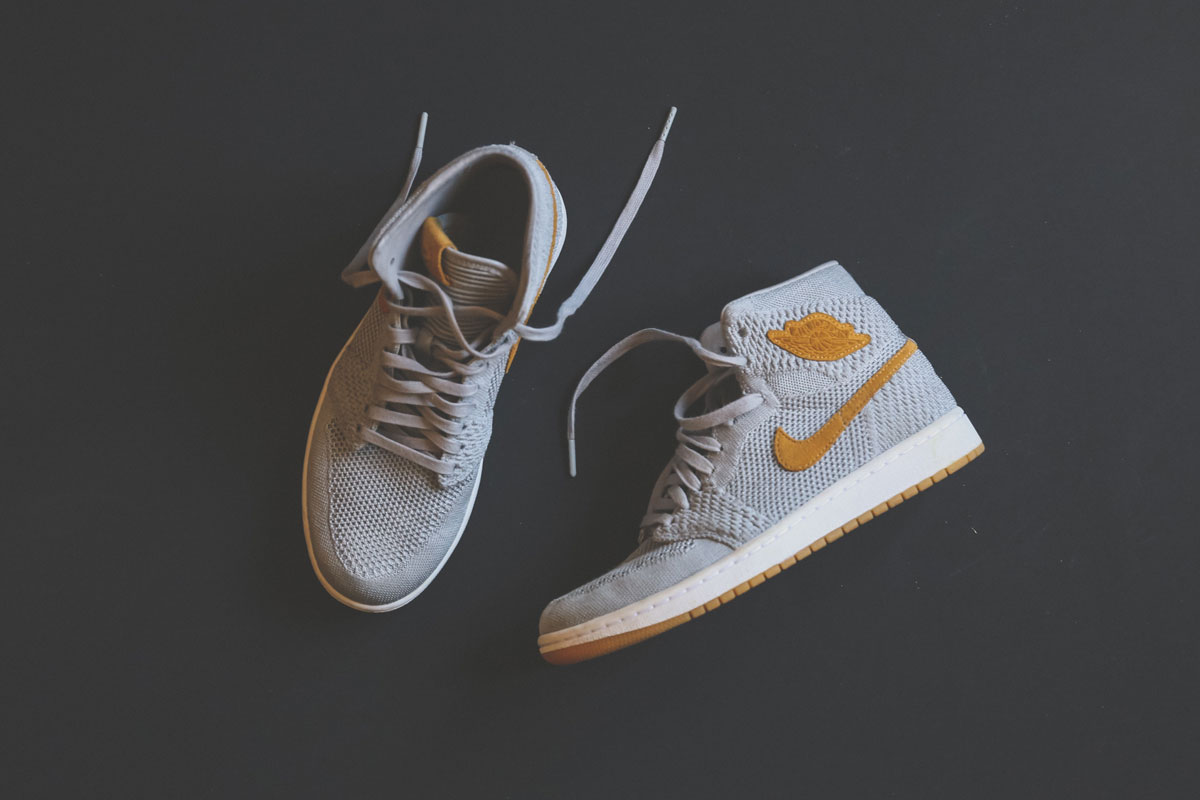
Sports Performance and Weightlifting Shoes
Quick answer: For most athletes whose training or late-stage rehab includes squats, deadlifts, or Olympic-style lifts, a good pair of weightlifting shoes is a worthwhile investment. The raised heel compensates for limited ankle mobility and [...]
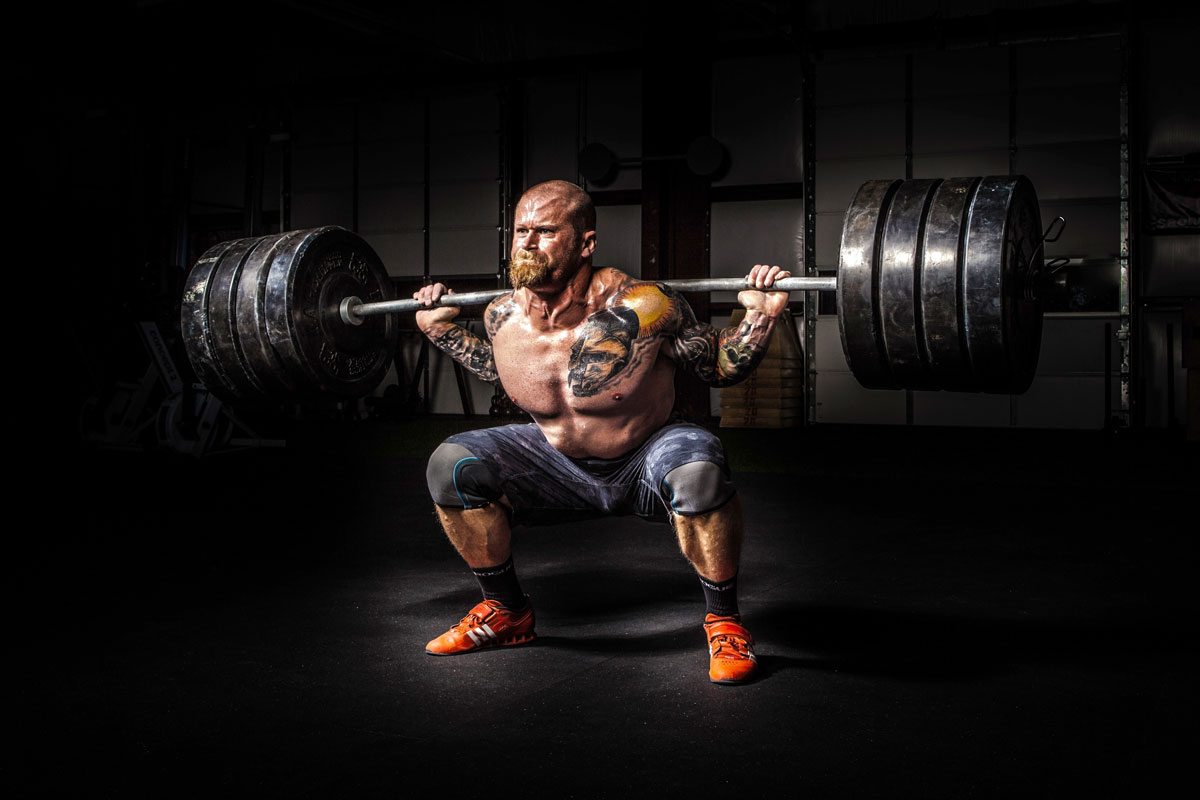
Squat! But, Toes in or Toes Straight?!
Quick answer: There is no single correct foot angle for everyone. A modest toe-out position suits most lifters because it matches hip anatomy and lets the knees track over the toes; toes-forward squatting demands more [...]
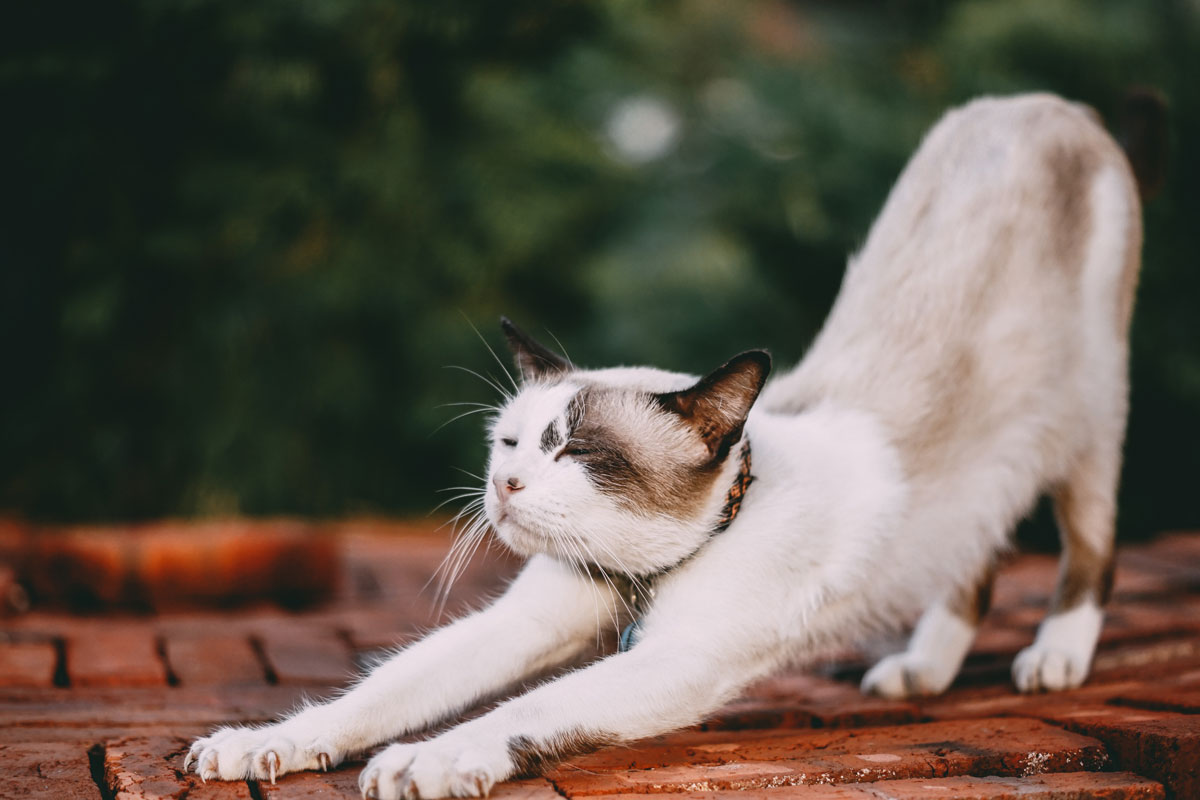
Stretching Misconceptions in Rehabilitation and Sports Performance
Quick answer: The biggest stretching myth is that it prevents injury — the evidence doesn’t support this, and some studies suggest excessive stretching may even increase risk. Other misconceptions: you stretch far more than muscle [...]
Levels of Evidence in Physical Therapy
Quick answer: Research claims are not created equal — they sit on a hierarchy of evidence. At the bottom are opinions and single case reports; in the middle, cross-sectional, case-control, and cohort studies; at the [...]
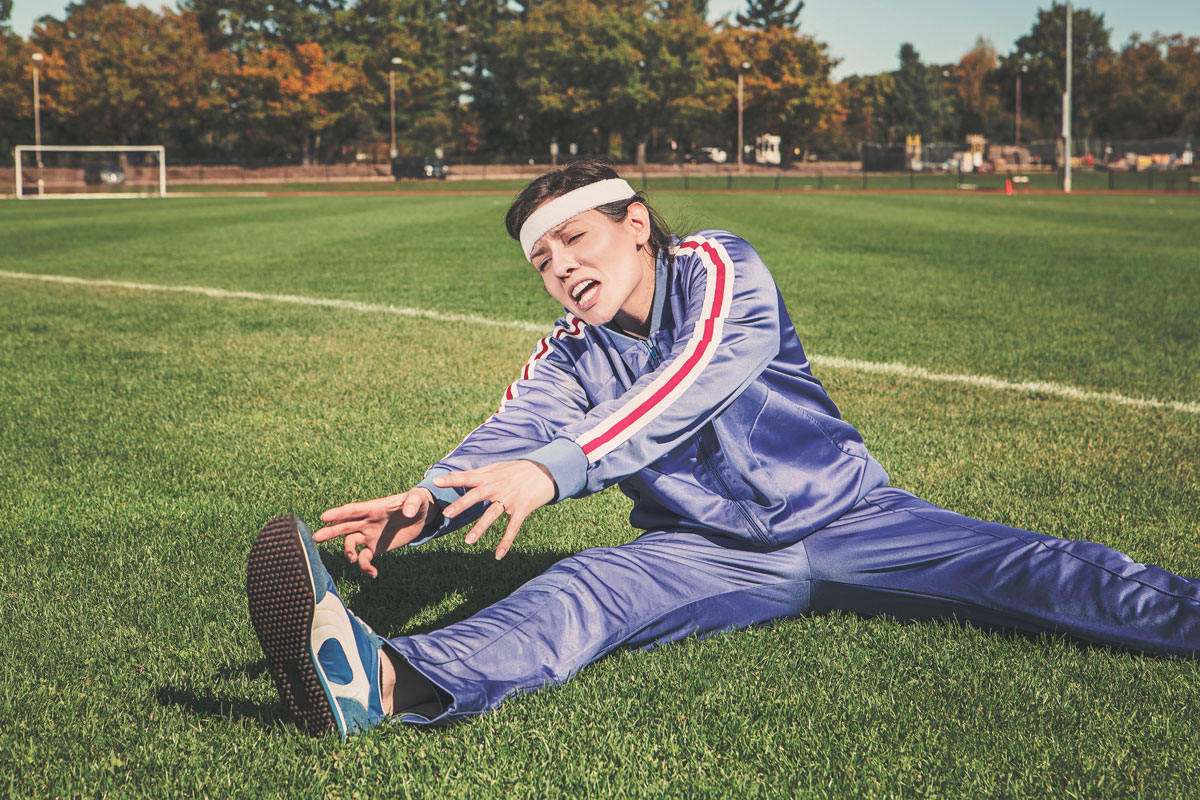
Practice in Physical Therapy and Sports Performance
Quick answer: Practice does make perfect — but how you practice matters as much as how much. Both physical therapy and weightlifting coaching are built on motor learning: a lasting change in your capacity to [...]

Sleep is the Best Supplement Ever
Quick answer: Before spending on supplements, fix your sleep — it is the most affordable performance aid there is. Sleep is when the large majority of your growth hormone circulates, when your immune system regenerates, [...]
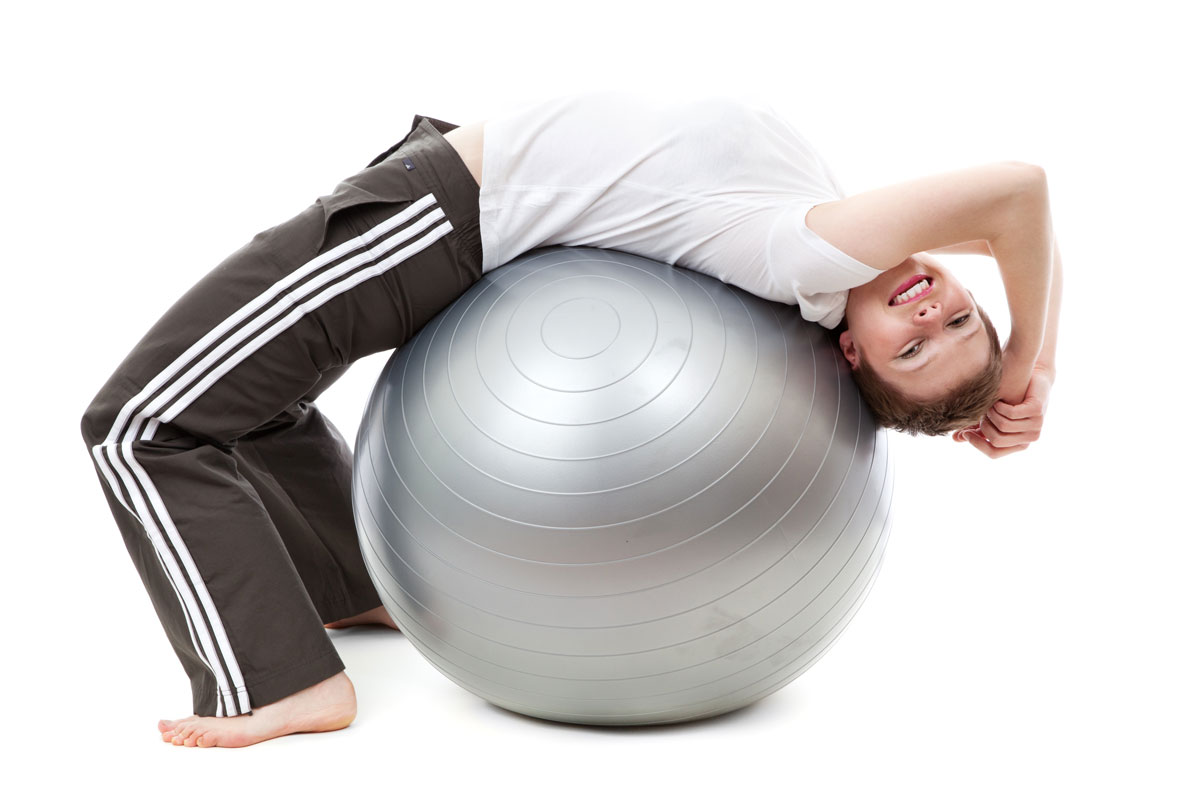
Best Evidence-Based Rotator Cuff Exercises
Quick answer: Research using EMG (muscle activity measurement) points to two standout rotator cuff exercises: side-lying external rotation (best for infraspinatus and teres minor) and prone scaption with external rotation (best for supraspinatus). Both isolate [...]
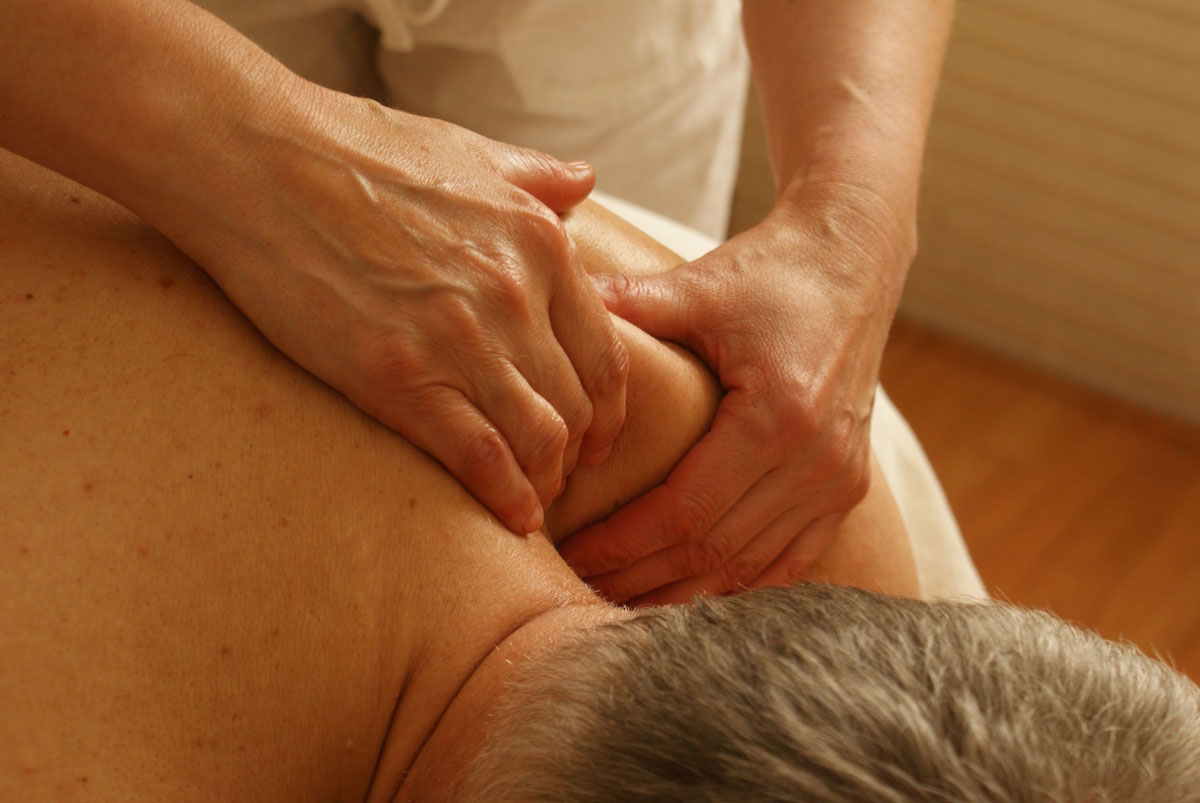
The Shoulder Complex
Quick answer: The shoulder is the body’s most mobile region — the humerus, scapula, and clavicle interact through four joints, dozens of muscles, and a web of ligaments, labrum, bursae, and nerves. That mobility comes [...]