Quick answer: Research using EMG (muscle activity measurement) points to two standout rotator cuff exercises: side-lying external rotation (best for infraspinatus and teres minor) and prone scaption with external rotation (best for supraspinatus). Both isolate the cuff with high activation and low compensations — but load, tempo, and technique matter as much as exercise selection. For a full rehab program, see shoulder pain physical therapy in Long Island City.
According to several studies these two exercises are the best for targeting the following three rotator cuff muscles: Infraspinatus, Supraspinatus and Teres Minor (they result in the greatest EMG activity).
As you may already know, rotator cuff muscles are muscles that work in harmony to stabilize the arm in the shoulder blade cavity and allow the shoulder to function properly.
Side lying external rotation exercise for Infraspinatus and Teres Minor muscles:
While lying down on your side, hold a dumbbell in your hand so that the elbow is tucked in by your torso. Keeping your elbow tucked in by your torso at all times, move the dumbbell from its starting position by your stomach to right above the shoulder joint line.
Prone scaption with external rotation exercise for Supraspinatus muscle:
Although considered to be a highly advanced exercise for people returning to activity after shoulder injury, this is still considered the best exercise to activate the Supraspinatus muscle. Your physical therapist should let you know in advance if you are ready to perform this exercise.
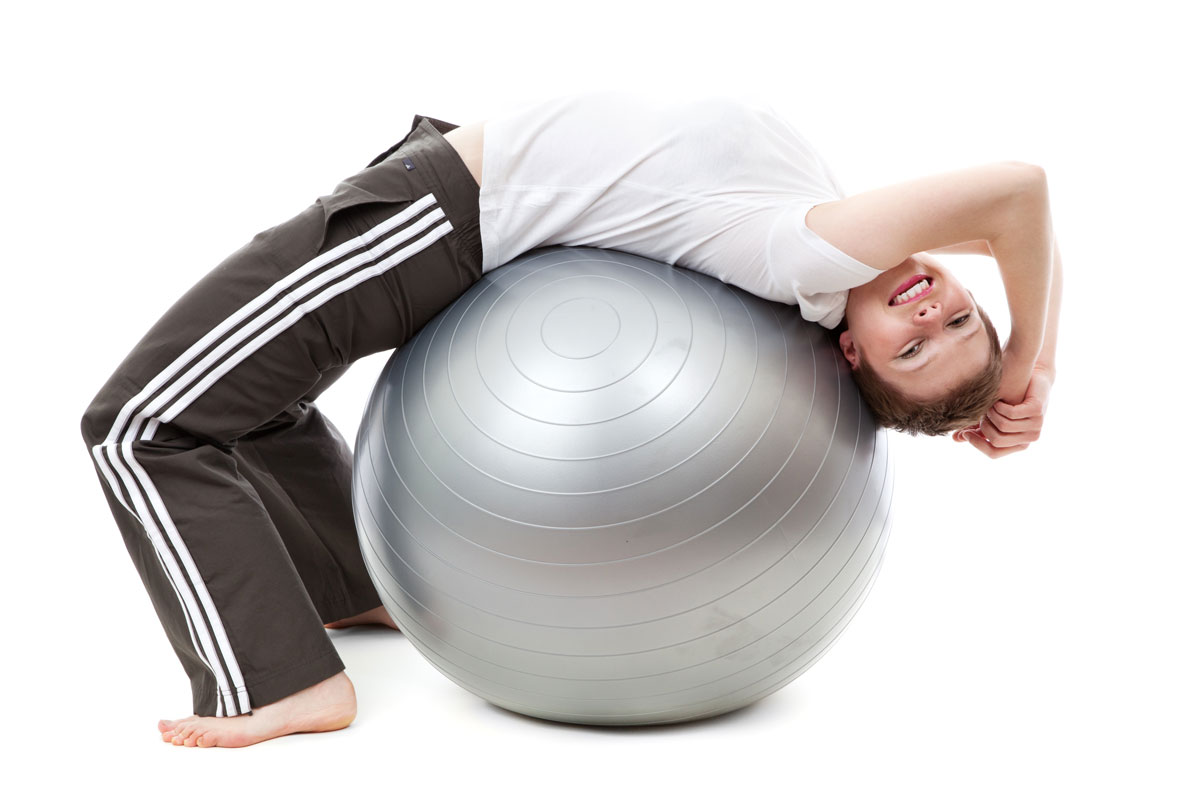
Lay down on your stomach (either on an incline bench or a Swiss ball) and grab a dumbbell in your hand. Keeping your torso straight, move the arm diagonally up with straight elbow so that the thumb points up toward the ceiling.
Note:
I did not include a specific exercise for targeting the Subscapularis muscle which is the forth rotator cuff muscle since there is no concrete evidence as in regards to which exercise results in the greatest EMG activity of this muscle. Most literature will prescribe the standing internal rotation exercise to target this muscle.
As with all exercises given, the physical therapist’s clinical judgment should always dictate whether these exercises are beneficial to the client from the first place or whether they should be performed in different positions.
You can visit the Exercise Archive page to watch the exercises.
Frequently Asked Questions
What is the single best rotator cuff exercise?
For the infraspinatus and teres minor, side-lying external rotation with a dumbbell shows the greatest EMG activity in studies. For the supraspinatus, prone scaption with external rotation leads. Together they cover the three most commonly involved cuff muscles.
How do I perform side-lying external rotation correctly?
Lie on your side, elbow tucked against your torso and bent to 90 degrees, holding a light dumbbell. Keeping the elbow pinned, rotate the forearm from your stomach up until it points above the shoulder line, then lower with control. The elbow never leaves your side.
How often should I train the rotator cuff?
Two to three times per week with controlled tempo and progressive load is a common evidence-based starting point. Quality beats volume — fatigue-driven form breakdown feeds the compensations these exercises are meant to fix.
Are these exercises safe after a rotator cuff injury?
Generally yes at the right load and stage, but post-injury or post-surgical rehab should be staged by a physical therapist — prone scaption in particular is an advanced exercise that is typically introduced later in rehabilitation.