Quick answer: For most athletes whose training or late-stage rehab includes squats, deadlifts, or Olympic-style lifts, a good pair of weightlifting shoes is a worthwhile investment. The raised heel compensates for limited ankle mobility and supports an upright torso, the rigid build stabilizes the foot, and the non-compressing sole transfers force efficiently — together helping reduce unwanted stress, particularly on the lower back. They are a tool for lifting, not for all training.
The variety of shoes in this day and age is overwhelmingly big, especially athletic shoes. Almost every sport has unique shoes with special characteristics to match the needs of the sport played. So there is no doubt that if you are a basketball player you should buy and play with good basketball shoes.
But the big question as it relates to strength and conditioning and sports performance programs is what type of shoes athletes should wear as their train or as they rehab from an injury.
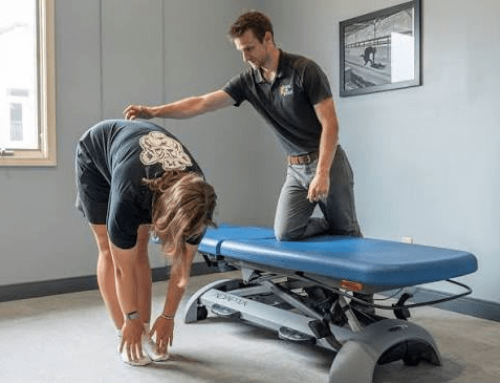
My answer is pretty simple: consulting with a coach, trainer or physical therapist is a key. They will consider the athlete’s physical history, current injuries, mobility, and overall performance and fitness levels to then recommend him/her with the best type of shoes to wear.
Regardless of the recommendations the athlete would receive from the coach/trainer/therapist, I will recommend, most of the time, the athlete to invest in a pair of good weightlifting shoes.
The practice of weightlifting, as in Olympic style weightlifting (the snatch and the clean and jerk lifts or their derivatives) is the core of any strength and conditioning program these days and usually practiced during last stages of rehabilitation with athletes. As a side comment deadlift and squat lifts are also derivatives of Olympic style weightlifting.
There are many benefits to Olympic weightlifting and some of them as they relate to sports performance, and rehabilitation as well, are increases in neuromuscular coordination, explosive strength, mobility, and force production.
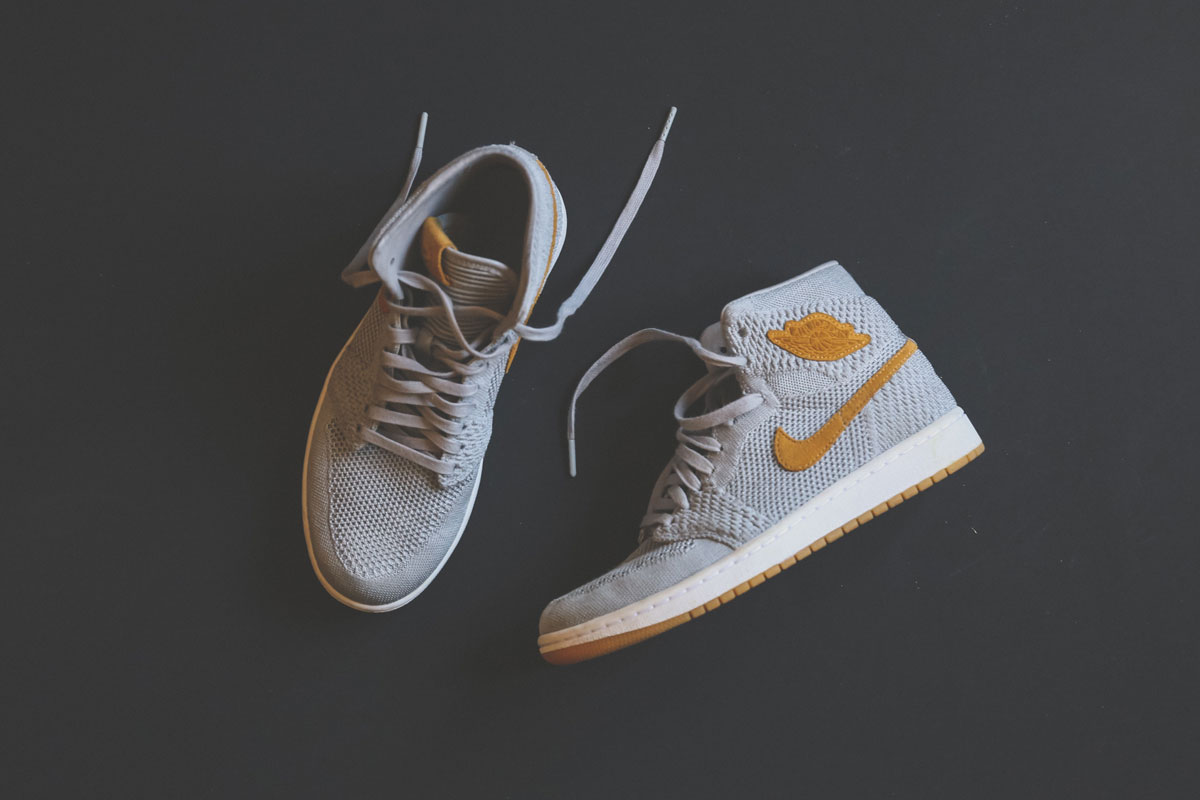
Weightlifting shoes are very unique in their build as you first look at them. Indeed, the wide toe box, the high heel raises, the flat bottoms, the condensed sole, and the rigid materials are the main characteristics of weightlifting shoes. Following is a short overview of these characteristics and why they are so important for the athlete.
-
Weightlifting shoes have increased heel raise, which assists in vertical upright posture and compensates for lack of ankle mobility. As an example, weightlifting shoes can help tall athletes such as basketball players to weightlift better and protect themselves from injury. This is because of lack of ankle mobility that is found in many of these players.
-
Weightlifting shoes are constructed from rigid materials to support the feet inside them and built to last for longer time compared to other shoes such as running shoes.
-
The soles don’t compress under loads and therefore allow to better transfer of forces from the ground up while weightlifting. Imagine how much a sole of a running shoe will compress under a lot of weight. A lot!
These unique shoe characteristics will protect the athlete in risk of injury reduction while lifting and training, especially as it relates to low back injuries. This is mostly because of the potential to assume better vertical torso position as the athlete lifts and allow for safer transfer of forces through the low back and shoulders as a result without increasing stresses on unwanted structures.
Bottom line, different shoes can and should be used for different parts of training or rehabilitation. Having a good pair of weightlifting shoes, even if not used at all times, is wise.
Frequently Asked Questions
What makes weightlifting shoes different from regular training shoes?
Four things: a raised heel, a wide toe box, rigid supportive materials, and a dense, flat sole that doesn’t compress under load. A running shoe’s cushioned sole compresses heavily under a barbell, wasting force and reducing stability — a weightlifting shoe’s sole does not.
Who benefits most from weightlifting shoes?
Athletes with limited ankle mobility — including many tall athletes such as basketball players — benefit most, because the raised heel helps them reach better squat positions with an upright torso. Anyone regularly performing squats, cleans, snatches, or their derivatives can benefit.
Do weightlifting shoes help prevent injury?
They can help reduce injury risk during lifting, particularly for the lower back, by supporting a more vertical torso position and safer force transfer from the ground up. They are one supportive factor alongside good technique and appropriate programming — not a guarantee.
Should I wear weightlifting shoes for all my training?
No. Different parts of training and rehabilitation call for different footwear — weightlifting shoes are built for the barbell portion. The best approach is to consult a coach, trainer, or physical therapist who considers your injury history, mobility, and goals.