

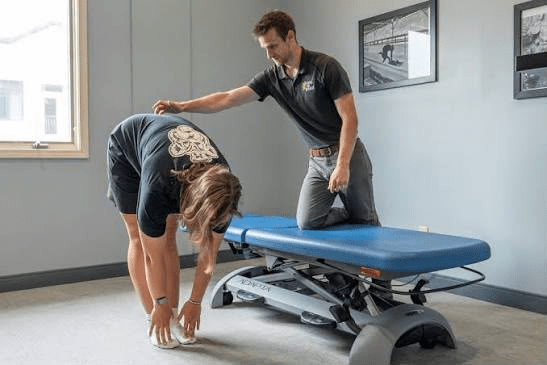
When people think about physical therapy, they often imagine exercises, stretching, or hands-on treatment. While these interventions are important, the most critical part of successful rehabilitation actually happens before treatment begins—a comprehensive physical therapy evaluation.
At On Point Physical Therapy, we believe that every successful recovery starts with understanding why pain or movement limitations developed in the first place. A thorough physical therapy assessment allows us to identify the underlying causes of pain, establish measurable goals, and develop an individualized treatment plan based on the latest evidence and each patient’s unique needs.
Whether you are recovering from surgery, returning to sports, managing chronic pain, or trying to prevent future injuries, a detailed evaluation is the foundation of effective, evidence-based care.
Why an Accurate Diagnosis Matters
Pain does not always originate where it is felt.
For example, shoulder pain may actually be caused by poor shoulder blade mechanics, weakness of the rotator cuff, limited thoracic spine mobility, or even dysfunction in the neck. Likewise, knee pain may stem from weakness in the hip muscles, poor ankle mobility, or faulty movement patterns during walking, running, or jumping.
Treating only the painful area without understanding the underlying cause often provides temporary relief but fails to correct the problem.
A skilled physical therapist evaluates the entire kinetic chain—the interconnected system of joints, muscles, and movement patterns—to identify the true source of dysfunction.
Research published in the Journal of Orthopaedic & Sports Physical Therapy (JOSPT) and current Clinical Practice Guidelines consistently emphasize that movement-based assessments improve diagnostic accuracy and lead to more effective rehabilitation strategies.
A Comprehensive Assessment Looks at the Whole Person
No two patients are alike, even if they share the same diagnosis.
During a comprehensive physical therapy evaluation, your therapist assesses multiple factors that influence movement and recovery, including:
- Joint mobility
- Muscle strength
- Flexibility
- Balance and coordination
- Walking and running mechanics
- Functional movement patterns
- Posture
- Neuromuscular control
- Pain behavior
- Previous injuries
- Activity level
- Occupational demands
- Sport-specific requirements
For athletes, additional testing may include jumping mechanics, agility, landing technique, force production, sprint mechanics, and return-to-sport readiness.
For postoperative patients, the evaluation helps determine tissue healing, swelling, range of motion limitations, muscular inhibition, and readiness to safely progress rehabilitation.
This comprehensive approach allows treatment to address the entire movement system rather than simply managing symptoms.
Objective Measurements Guide Better Care
Evidence-based physical therapy treatment depends on measurable outcomes rather than assumptions.
Your initial assessment establishes objective baseline measurements that may include:
- Range of motion
- Muscle strength testing
- Functional movement assessment
- Balance testing
- Walking analysis
- Pain scales
- Functional outcome questionnaires
- Endurance testing
- Performance measurements
At On Point Physical Therapy, we may also incorporate force plate technology when appropriate. Force plates objectively measure balance, power production, asymmetries, landing mechanics, and movement efficiency. These measurements help identify deficits that may not be visible during routine observation and allow us to monitor progress throughout rehabilitation.
Objective testing enables your therapist to determine whether treatment is producing meaningful improvements and provides clear benchmarks for returning to work, recreational activities, or competitive sports.
Identifying Hidden Causes of Pain
Many injuries develop because the body compensates for weakness, mobility restrictions, or poor movement control elsewhere.
Examples include:
- Hip weakness contributing to knee pain
- Limited ankle mobility leading to plantar fasciitis
- Core instability increasing low back pain
- Shoulder weakness contributing to neck pain
- Poor balance increasing fall risk
Without identifying these contributing factors, symptoms often return shortly after treatment ends.
An evidence-based physical therapy assessment helps identify these hidden impairments so rehabilitation addresses the true cause rather than only the symptoms.
Recognizing Red Flags That Require Medical Referral
One of the most important responsibilities of a physical therapist is recognizing when symptoms may indicate a condition requiring medical evaluation.
During the initial assessment, your therapist screens for serious medical conditions, including:
- Fractures
- Infections
- Neurological disorders
- Vascular conditions
- Systemic disease
- Progressive neurological deficits
Warning signs such as severe night pain, unexplained weight loss, bowel or bladder dysfunction, unexplained weakness, fever, or rapidly worsening symptoms may require referral to a physician before rehabilitation begins.
This screening process improves patient safety and ensures appropriate medical management when necessary.
Creating an Individualized Treatment Plan
There is no universal exercise program that works for everyone.
Following your evaluation, your physical therapist develops a personalized rehabilitation plan based on your diagnosis, goals, lifestyle, medical history, and objective findings.
Treatment may include:
- Manual therapy
- Therapeutic exercise
- Strength training
- Mobility exercises
- Balance training
- Neuromuscular re-education
- Sports rehabilitation
- Running gait analysis
- Return-to-sport progression
- Injury prevention strategies
- Home exercise prescription
- Patient education
Research consistently demonstrates that individualized rehabilitation programs produce better functional outcomes and higher patient satisfaction than standardized exercise programs.
Education Is One of the Most Powerful Treatments
Modern physical therapy extends beyond exercises and manual techniques.
Patient education is one of the strongest predictors of long-term success.
During your evaluation, your therapist explains:
- Why your injury occurred
- What structures are involved
- Factors slowing recovery
- Activities that should be temporarily modified
- Realistic recovery expectations
- Strategies to prevent recurrence
Patients who understand their condition are more likely to participate actively in rehabilitation, remain consistent with home exercises, and experience better long-term outcomes.
Preventing Future Injuries
The goal of rehabilitation should never be limited to eliminating pain.
A comprehensive movement assessment identifies weaknesses, asymmetries, mobility deficits, and faulty movement patterns that increase injury risk.
Correcting these impairments can help reduce future injuries, improve athletic performance, enhance movement efficiency, and support lifelong physical health.
For athletes, this may mean improving landing mechanics or sprint performance.
For active adults, it may involve improving lifting mechanics, posture, flexibility, strength, and balance to reduce the risk of recurring pain.
Why Choose On Point Physical Therapy?
At On Point Physical Therapy, every patient receives a thorough one-on-one evaluation performed by an experienced physical therapist. We combine clinical expertise with the latest evidence-based research to identify the root cause of pain rather than simply treating symptoms.
Our evaluations include comprehensive orthopedic testing, functional movement analysis, strength and mobility assessment, balance evaluation, and, when appropriate, advanced force plate technology to objectively measure movement quality and monitor progress throughout rehabilitation.
We believe that exceptional outcomes begin with exceptional assessments. By understanding each patient’s unique movement patterns, goals, and contributing factors, we develop personalized treatment plans that promote faster recovery, improved performance, and long-term injury prevention.
Whether you are recovering from surgery, returning to sports, managing chronic pain, or simply looking to move better, a comprehensive physical therapy evaluation is the first and most important step toward lasting results.
At On Point Physical Therapy, we don’t just treat pain—we identify its source, restore efficient movement, and help you return confidently to the activities you love through evidence-based, individualized care.


Leave A Comment