


Quick answer: Myofascial release is a hands-on physical therapy technique that applies gentle, sustained pressure to tight or restricted fascia — the connective tissue surrounding muscles, bones, and organs. Studies support short-term improvements in pain and range of motion, including in chronic low back pain and fibromyalgia, though the exact mechanism is still debated. It works best inside a full rehab program with exercise, not as a standalone cure. We use it as one part of back pain physical therapy in Long Island City.
Myofascial release is a therapeutic technique used in physical therapy to address issues related to the fascia, a connective tissue that surrounds and supports muscles, bones, and organs throughout the body. It involves applying gentle sustained pressure on specific areas of the body to release tension and restore mobility.
The fascia is a complex network of collagen fibers that provides structural support and helps transmit forces within the body. However, due to various factors such as trauma, poor posture, repetitive movements, or inflammation, the fascia can become tight, restricted, or develop adhesions. These restrictions can cause pain, limited range of motion, and other physical dysfunctions.
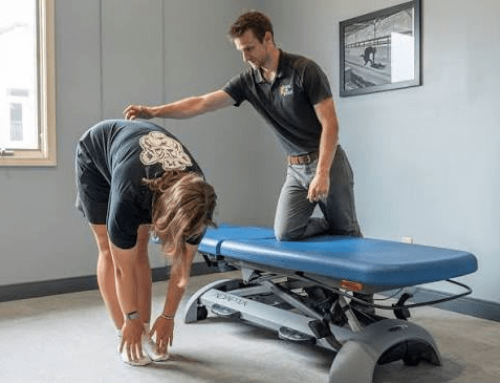
Myofascial release aims to alleviate these restrictions by applying pressure to the affected areas. The pressure is typically applied by a trained physical therapist using their hands, fingers, or specialized tools. The therapist applies sustained pressure on the tight or restricted fascia, allowing it to gradually release and return to its normal state.
This technique is evidence-based, with numerous studies supporting its effectiveness in improving pain, range of motion, and overall function. Research has shown that myofascial release can help reduce pain in conditions such as fibromyalgia, chronic low back pain, and temporomandibular joint disorders.
The mechanism behind myofascial release is not fully understood, but it is believed to work by disrupting the adhesions within the fascia, promoting blood flow, and stimulating the body’s natural healing response. It also helps to improve tissue hydration and flexibility, which can further enhance the healing process.
Myofascial release can be used as a standalone treatment or as part of a comprehensive physical therapy program. It is often combined with other techniques such as stretching, strengthening exercises, and postural retraining to achieve optimal results.
It is important to note that myofascial release should be performed by a trained and licensed physical therapist. They have the knowledge and expertise to assess your specific condition and tailor the treatment to your individual needs. It is not recommended to attempt myofascial release on your own without proper guidance.
In conclusion, myofascial release is a scientifically supported technique used in physical therapy to address fascial restrictions and improve pain, range of motion, and overall function. It is a safe and effective treatment option when performed by a qualified professional. If you are experiencing any physical discomfort or limitations, it is recommended to consult with a physical therapist to determine if myofascial release may be beneficial for you.
Frequently Asked Questions
What is myofascial release?
A therapeutic technique in which a trained physical therapist applies gentle, sustained pressure to restricted areas of fascia — the collagen-based connective tissue network that supports muscles, bones, and organs — to release tension, reduce pain, and restore mobility.
Is myofascial release scientifically proven?
Research supports meaningful short-term improvements in pain and range of motion, with studies in conditions like fibromyalgia, chronic low back pain, and TMJ disorders. The precise mechanism is debated, and it is most effective combined with stretching, strengthening, and postural retraining rather than used alone.
What causes fascia to become tight or restricted?
Trauma, repetitive movements, poor posture, and inflammation can all cause fascia to tighten or develop adhesions. These restrictions can produce pain, limit range of motion, and alter how you move — which is what myofascial release aims to address.
Can I do myofascial release on myself?
Self-release tools like foam rollers exist, but assessment matters: a licensed physical therapist can determine whether fascial restriction is actually your problem, target the right areas safely, and combine the technique with the exercises that make results last. Guidance first is the safer route.


Leave A Comment