


Quick answer: The research on stretching is genuinely mixed — some studies support it, others dispute its value for injury prevention and performance. This post argues that, on balance, its benefits outweigh the negatives when stretching is selected for the specific mobility demands of your sport: dynamic stretching to prepare for training, targeted stretching during rehabilitation to support tissue healing and function, and stretching as a recovery and routine tool.
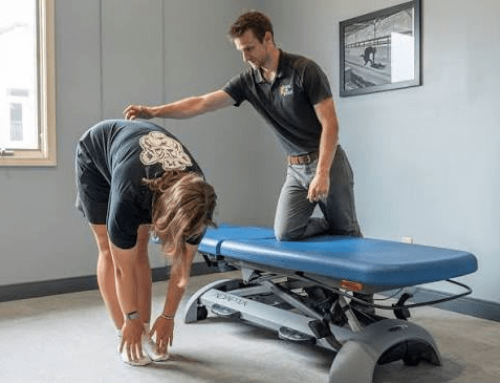
There are many different types of stretching, including dynamic, static, ballistic, assisted stretching techniques, and many others. The amount of current studies and literature that closely examine different types of stretching and protocols is vast. While some studies show the benefit of stretching, others dispute the notion that stretching is beneficial as it relates to injury prevention and overall performance in sports.
In this post, I would like to take a stance and express my opinion as a physical therapist and a strength and conditioning coach in regards to stretching and its benefits as it relates to sports performance and rehabilitation.
First, let me start with a key aspect of stretching: stretching can be used adjacent to a specific sports training program. This means that stretching should be carefully selected by sports performance professionals to compliment the specific mobility needs of the sport. Making assumptions that all stretches are as effective for all sports is inaccurate at best. For example: A baseball pitcher who needs to emphasize the range of motion and strength of his shoulder will benefit from shoulder stretches. However, it’s doubtful if a soccer midfielder will ever need the extreme ranges of motion and strength that a baseball pitcher will need in his career and thus she/he may not benefit from shoulder stretches. In addition, dynamic stretching will help prepare athletes to perform in their sport safely before competition/play or training. In other words, this type of stretching will prepare the athlete for the increased demands and stresses put on most systems of the body through the neuromuscular system to avoid injury and subpar performance.
Second, stretching should be emphasized during an athlete’s rehabilitation process, for the following reasons:
-
Stretching promotes the ideal orientation of collagen tissue after any soft tissue injury.
-
Stretching increases the injured tissue’s tensile strength and tolerance to stretch.
-
Stretching increases muscle function.
-
Stretching decreases pain after an injury.
Needless to say if stretching is not taken into consideration after an injury the athlete risks sustaining another or similar injury again.
Thirdly, stretching has been shown to be an effective recovery method especially to overcome neurological and physiological fatigue, whether after training or after playing/competition.
Lastly, whether or not stretching has been shown to be effective in the current studies, some elite athletes in the highest levels of sports already have training routines (warm up and/or cool down) that include stretching, and these routines help them perform at the highest levels. Eliminating stretching from their well-established routines is very likely to effect their performance psychologically.
Whether or not you like stretching, its benefits do clearly surpass its negatives, specifically as it relates to sports performance and rehabilitation. The decision about what type of stretching and stretches should be included in your training and/or rehabilitation as an athlete depends on several factors. These include your sport, injury history, current injury status, training preferences and philosophy, as well as many other factors that may relate directly to your coach’s/medical professional’s preferences.
Frequently Asked Questions
Does stretching improve sports performance?
The evidence is mixed, and blanket claims are unreliable. Stretching helps most when matched to the sport’s mobility demands — a baseball pitcher benefits from shoulder range work in ways a soccer midfielder may not. Dynamic stretching before training helps prepare the neuromuscular system for competition demands.
Why is stretching emphasized during injury rehabilitation?
Applied appropriately after soft tissue injury, stretching is used to promote favorable collagen orientation as tissue heals, improve the tissue’s tolerance to stretch, support muscle function, and help manage pain — which is why it remains a standard component of rehab programs.
Can stretching help with recovery after training?
Stretching is commonly used as a recovery method after training or competition, particularly for neurological and physiological fatigue. Many elite athletes also have well-established warm-up and cool-down routines that include stretching, and there is value in not disrupting routines that work.
Should every athlete stretch the same way?
No. The right type of stretching — dynamic, static, ballistic, or assisted — depends on your sport, injury history, current status, and training philosophy. Stretching should complement a sports training program, not follow a one-size-fits-all template.


Leave A Comment