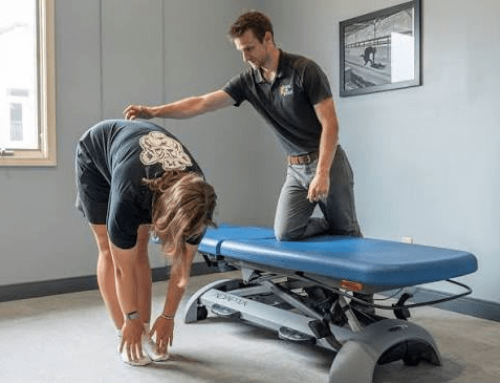
Quick answer: The biggest stretching myth is that it prevents injury — the evidence doesn’t support this, and some studies suggest excessive stretching may even increase risk. Other misconceptions: you stretch far more than muscle (joint capsule, ligaments, nerves, skin), warming tissue first hasn’t been shown to improve results, brief 20–30 second holds done consistently beat occasional long holds, and stretching doesn’t change joint position sense. What does relate to injury risk: side-to-side flexibility imbalances.
Stretching has always been an important aspect in strength and conditioning, rehabilitation, sports performance and general well being.
Ask yourself when was the last time I was asked by my coach, trainer or therapist to skip stretching and the answer for the most part will be never (which is good).
On the flip side, stretching, for the most part in sports is not being addressed as it should as there are many misconceptions.
In this blog post I would cover five major misconceptions about stretching as it relates to rehabilitation and sports performance and is based on scientific evidence.
1) When stretching the muscle isn’t the only structure being stretched. In addition to the muscles, the joint capsule, ligaments, nerves, vessels, skin, and muscle-tendon unit are being stretched. This is important fact to remember because athletes may feel very different type of stretch. For example some athletes may even complain of pain while stretching, and this could simply be the result of nerve tissue dysfunction.
2) Stretching isn’t done just after warm-ups. Increasing tissue temperature before stretching doesn’t led to better results. It does seem common-sense: increasing tissue temperature will increase soft tissue extensibility and as a result will increase range of motion, but this is just a theory and not a scientific fact according to some studies.
3) Stretches aren’t really productive or more beneficial if held for longer periods of time. Again, common-sense tells us the longer we hold a stretched position the change we will see in terms of mobility and flexibility. The fact is that changes will occur with consistent stretching over long period of time. Recent studies suggest holding stretches for 20-30 seconds at a time. Holding a stretch for couple of minutes for once or twice a week will not produce any noticeable change in mobility and/or flexibility.
4) Stretching doesn’t affect your joint position sense. A lot of people, including some professionals out there believe that they can change the way their joints positioned with stretching alone. This is far from the truth. Joint position sense is controlled by several mechanisms including neuromuscular control, joint biomechanics and joint stability.
5) Stretching doesn’t decrease your risk of injury! Stretching as a way to prevent injuries is probably the biggest misconception about stretching in the sports world and rehabilitation. In fact some evidence shows that more stretching actually increases the risk of injury.
From my experience working with athletes in all levels, mobility and flexibility are very individual and depend on the type of sport. Having less range of motion than other athletes or people doesn’t mean you’ll experience an injury because of it. There is no such thing as ultimate mobility or flexibility as some movement screens and tests suggest.
On the other hand, athletes with flexibility imbalances between right and left are at increased risk of injury.
Bottom line, increasing range of motion should never be the sole of any rehabilitation or sports performance program. Increasing range of motion via stretching MUST be taken into consideration with side to side imbalances or as needed for a specific sport.
Frequently Asked Questions
Does stretching prevent sports injuries?
The evidence does not support stretching as an injury-prevention tool, and some research suggests more stretching can increase risk. What is associated with increased injury risk is a flexibility imbalance between your right and left sides — that is worth addressing.
How long should I hold a stretch?
Around 20 to 30 seconds at a time, repeated consistently over weeks and months. Occasionally holding a stretch for several minutes once or twice a week will not produce meaningful, lasting change in mobility or flexibility — consistency drives adaptation.
Do I need to warm up before stretching?
It seems like common sense that warming tissue would make stretching more effective, but studies have not shown that raising tissue temperature before stretching leads to better mobility outcomes. Stretching doesn’t have to be reserved for after warm-ups.
What am I actually stretching besides muscle?
The joint capsule, ligaments, nerves, blood vessels, skin, and the muscle-tendon unit all experience stretch. That’s why stretch sensations vary between athletes — pain during stretching, for example, can reflect nerve tissue irritation rather than muscle tightness.
How flexible do I need to be for my sport?
Mobility needs are individual and sport-specific — there is no universal ideal that every athlete must hit, and having less range of motion than someone else doesn’t doom you to injury. Range of motion work belongs in a program when imbalances exist or the sport demands it.